
Efficient Chirotherapy Treatment in Singapore
Approximately one in three Singaporeans experience persistent neck or back pain at some point in their lives — a clear indication that spinal health is crucial for day-to-day function and lasting health and wellness.
For individuals wanting more than just temporary relief, chirotherapy presents itself as a reliable option. Practices in Bugis, Orchard and Bedok combine www.chirotherapy.com.sg spinal corrections with soft tissue work, exercise plans, and lifestyle advice to address slipped discs, sciatica, migraines and sports injuries.
If you’re looking for chirotherapy – based in sg, a chiropractor Singapore, or a chiropractic clinic Singapore, the leading practices stress a comprehensive consultation, posture and movement screening, and a well-defined care plan customised for your needs.
Both athletes and families report long-term results from holistic chiropractic care Singapore that blends careful manual therapy with targeted rehabilitation and maintenance programs.
What is Chirotherapy and How It Differs from General Chiropractic Care
A results-focused model of spinal care, chirotherapy blends precise spinal adjustments with soft tissue work, rehabilitation, and lifestyle advice. Many clinics in Singapore provide customised programs where a chiropractor carries out a thorough assessment, sets clear goals and adjusts treatment session by session. This method moves attention from isolated adjustments to restoring posture, movement patterns and nerve function for lasting change.
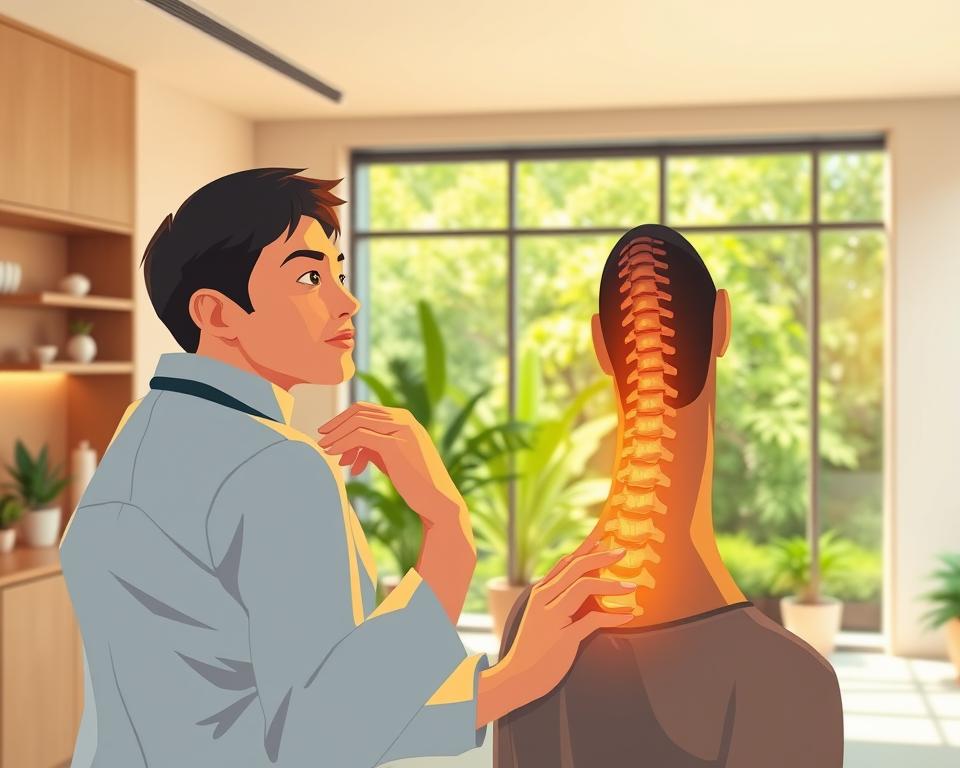
Fundamentally, chirotherapy treats the spine and nervous system as a related functional system. Clinicians employ targeted spinal correction, manual therapies and exercise to eliminate mechanical interference and improve neural communication. Assessment, clear treatment plans and measurable progress are fundamental to the model.
How manual techniques are integrated
Manual spinal adjustment therapy Singapore is integrated with soft tissue release, instrument-assisted tools and corrective exercises. A typical session might include a chiropractic adjustment Singapore, then specific muscle work and a brief corrective exercise to strengthen the change. Clinics in Singapore frequently pair adjustments with dry needling, KT taping or decompression when necessary.
Key differences from physiotherapy and general chiropractic care
- Chirotherapy places more emphasis on spinal biomechanics and nervous system function, while physiotherapy often focuses on muscle conditioning, graded exercise and functional retraining.
- A chirotherapy-focused chiropractor tends to build personalised spinal plans with adjustment protocols, complementary soft tissue techniques and home strategies instead of relying solely on passive modalities.
- Where isolated chiropractic adjustment Singapore may prioritise joint manipulation alone, chirotherapy integrates manual spinal adjustment therapy Singapore into a wider program that addresses the underlying reasons of dysfunction.
Referral for imaging or medical review is used when red flags appear or when progress stalls. Patients in Singapore seeking a chirotherapy – based in sg approach can expect coordinated care that combines hands-on correction with exercise, education and useful strategies for recovery.
Chirotherapy Treatment in Singapore
Chirotherapy Treatment in Singapore combines hands-on spinal care with focused rehabilitation. Clinics in Orchard, Bugis, Bedok and the Adelphi area offer organised packages, corporate programs and convenient online booking. Patients get care from skilled chiropractor Singapore professionals who often specialise in pregnancy, paediatrics, sports injuries and chronic pain.
Overview of local practice and regulation
Chirotherapy teams in the area operate within Singapore’s regulated healthcare environment and follow established standards for training and patient safety. Numerous clinics, including Healing Hands and Elite Spine Centres, operate multiple branches with clear patient pathways and special new patient offers. Thermal imaging and corporate spinal screenings are commonly offered for workplace wellness.
Typical care pathway at a clinic
- Initial consultation and history taking to clarify symptoms and goals.
- Physical examination with posture and movement screening; imaging review when needed.
- Personalised treatment plan combining adjustments, soft tissue work, traction or decompression, and home exercises.
- Ongoing reviews, progressive rehabilitation and access to modalities like cold laser, shockwave and SIS.
Conditions Commonly Treated
Chiropractic clinic Singapore teams regularly treat back pain treatment Singapore and neck pain relief Singapore with manual adjustments and rehabilitation. Clinics provide slipped disc treatment Singapore solutions that can involve decompression or tailored traction. Sciatica is treated with systematic care that integrates manipulation, soft tissue therapy and exercise to reduce nerve irritation.
In addition to spinal disorders, services often treat shoulder injuries, headaches, osteoarthritis-related pain, postural problems, carpal tunnel and infant concerns like colic. Financing flexibility and well-defined follow-up plans help patients transition from pain relief to long-term recovery under a reliable chiropractor Singapore.
Signs You Need a Chiropractor Singapore for Spinal Health
Persistent aches and sudden changes in movement are common reasons people seek a chiropractor Singapore. Prompt assessment helps spot spinal misalignment and nerve interference before symptoms worsen. Singapore clinics recommend prompt evaluation when basic measures do not ease pain.
Common symptoms indicating spinal misalignment or nerve interference
Frequent low back discomfort that restricts daily tasks signals a need for back pain treatment Singapore. Neck stiffness, reduced range of motion, and frequent headaches suggest cervical issues where neck pain relief Singapore may be appropriate.
Nerve-related signs include numbness, tingling, weakness in the limbs, and shooting pain down a leg or arm. Recurrent muscle tightness, frozen shoulder symptoms, and imbalance while walking can be linked to spinal dysfunction that benefits from spinal adjustment therapy Singapore.
When to seek immediate care vs. conservative management
Get a consultation right away when pain progresses quickly or when neurological signs appear. New bowel or bladder changes, sudden weakness, or a rapid loss of coordination need urgent evaluation. For ongoing but stable pain, begin with conservative care.
Conservative pathways usually involve a clinical assessment, a trial of manual therapy, spinal adjustment therapy Singapore, soft tissue work, and a short course of guided rehabilitation. If symptoms improve, continue with a tailored plan that focuses on posture, strength, and prevention.
Red flags that require medical or imaging referral (x-ray, MRI review)
Refer for an x-ray MRI review when red flags are present. These involve severe unrelenting pain, recent significant trauma, unexplained fever, night sweats, or rapid weight loss. Progressive neurological deficits or new bowel and bladder dysfunction also demand urgent imaging and medical consultation.
If conservative care isn’t working or more detailed anatomical information is required for planning treatment, an x-ray MRI review offers objective information. This helps clinicians determine whether to choose between continued chirotherapy, co-management with specialists, or surgical referral.
Assessment and Diagnosis in Effective Chirotherapy
A clear, structured assessment sets the tone for effective care at any chiropractic clinic Singapore. The process begins with a targeted initial consultation that collects pain history, activity habits, and previous treatments. This first visit helps the chiropractor build a workable plan tailored to each person’s needs.
Clinicians perform a focused posture screening to identify asymmetry, rounded shoulders, or pelvic tilt. Simple movement tests show dysfunctional patterns during walking, bending, and reaching. These observations direct which functional tests should follow.
Functional testing and neurological assessment
Functional tests assess range of motion, joint play, and muscle balance. A neurological assessment evaluates sensation, reflexes, and strength to identify nerve root or peripheral nerve involvement. Specific tests can pinpoint disc irritation or spinal joint restriction.
Using Imaging and Objective Measures for Planning
If the physical examination indicates potential structural issues, an x-ray MRI review can help clarify the picture. Imaging is used sparingly to confirm diagnosis and to map a staged rehab plan. Objective measures such as strength scores, gait metrics, and pain scales track progress over time.
Effective clinics integrate clinical exam, functional data, and imaging to create a clear treatment roadmap. Frequent re-evaluations let the chiropractor adjust care based on daily presentation and measurable improvement.
Key Treatments and Techniques in Modern Chirotherapy
Contemporary chirotherapy combines hands-on skills with specific tools to accelerate recovery and relieve pain. Singapore clinics mix precise chiropractic adjustment Singapore with soft tissue methods and advanced devices. Care plans often pair manual work with modalities that reduce inflammation, enhance circulation, and re-establish movement.
Spinal Manipulation and Chiropractic Adjustment Techniques
Practitioners carry out targeted chiropractic adjustment Singapore to address joint restriction and nerve irritation. Spinal manipulation techniques vary from high-velocity low-amplitude thrusts to gentle mobilisations for seniors and those with acute pain. These methods are designed to restore joint motion, lessen muscle guarding, and improve function.
Instrument-assisted soft tissue therapy and dry needling
IASTM tools break down scar tissue and encourage local blood flow. Therapists use IASTM together with hands-on massage to speed soft tissue healing. Dry needling focuses on tight muscle knots that limit mobility. Many patients report quicker relief when dry needling complements manual adjustments.
Complementary Modalities: Traction and Decompression
Decompression and traction can help reduce disc pressure and alleviate nerve stretch in cases of herniation or radiculopathy. It’s common for clinics to add SIS sessions to increase deep tissue heating for chronic pain. Shockwave therapy treats tendinopathy, while cold laser reduces inflammation and aids tissue repair. These add-on treatments work with manual care to reduce recovery time and improve outcomes.
- Combined plans combine chiropractic adjustment Singapore, IASTM, and dry needling for sports injuries.
- Focus on rehabilitation uses spinal manipulation techniques, traction decompression, and shockwave therapy to guide patients toward lasting recovery.
- Modalities like cold laser and SIS support healing and comfort between manual sessions.
Holistic Chiropractic Care Singapore: Rehabilitation and Lifestyle Integration
Holistic chiropractic care in Singapore blends hands-on treatment with practical rehab and daily habits. The focus of these clinics is on improving movement, reducing pain, and creating routines that suit work and family life. Patients leave with clear steps to maintain their progress.
Customised Exercise and Posture Correction Programs
Clinicians design customised exercise plans that match each patient’s goals and schedule. Techniques based on FCM focus on graded strength, mobility work, and movement re-education to correct faulty patterns.
Sessions for posture correction include brief daily drills and cues for sitting, standing, and lifting. These minor changes reduce strain and speed recovery when paired with clinic visits.
Ergonomics, sleep and stress management
Advice on workplace ergonomics helps employees configure desks and chairs to safeguard the spine. Minor adjustments cut the risk of flare-ups during long shifts.
Tips for sleep posture and stress management tools are included in the plan. Better sleep and more relaxed routines support tissue healing and long-term function.
Home‑care strategies and maintenance program support
- Brief home exercise sets tailored to daily life
- Checking progress and making adjustments during follow-up visits
- Maintenance program options like monthly reviews or twelve-visit packages
Patients are guided by clinics through homework exercises and offer a clear maintenance program to avoid relapse. Affordable chiropractic care Singapore options make ongoing care available for many families.
By combining clinic-based treatment with personalised exercise and posture correction, plus ergonomics and lifestyle coaching, patients experience more stable outcomes. A structured maintenance program maintains gains over the months that are most crucial.
Specialised Care for Pregnancy, Paediatrics, and Sports Injuries
Chiropractic clinics in Singapore now offer specialised services for pregnancy, children, and athletes. These tailored programs integrate manual care, exercise prescription, and education to accelerate recovery and promote long-term wellness. Clinics like Elite Spine and Healing Hands design plans that respect each patient’s stage of life and activity level.
Support for a Safe Pregnancy
Chiropractic care for pregnancy in Singapore concentrates on gentle adjustments, pelvic balancing, and pubic symphysis pain relief. Practitioners use low-force techniques and soft tissue work to alleviate back pain and enhance pelvic alignment. Care plans frequently involve hip mobility drills and breathing strategies to ease discomfort during labour.
Paediatric Approaches with a Gentle Touch
Chiropractic care for children begins with gentle and age-specific techniques for newborns, infants and teens. Practitioners check for colic, feeding issues and developmental asymmetry with gentle reflex-based adjustments. Treatment is short and conservative, with parent education on handling, positioning and safe play to promote growth.
Sports injury recovery and return-to-play
Recovery from sports injuries in Singapore blends manual therapy, IASTM, decompression and progressive rehab. Athletes get specific programs for knee, shoulder and spine injuries that include load management and functional testing. Clinics coordinate phased return-to-play plans that emphasize strength, movement quality and injury prevention.
- Individual assessment informs treatment frequency and techniques.
- Guidance on home exercises and ergonomics aids faster recovery.
- Multidisciplinary referrals are made when imaging or surgical review is needed.
Choosing a chiropractor Singapore who offers holistic chiropractic care Singapore ensures care is aligned with personal goals. This integrated approach improves comfort during pregnancy, promotes healthy child development, and gets athletes return to their sport safely.
How to Choose the Right Singapore Chiropractor for You
Locating the best practitioner requires more than a brief search. Concentrate on credentials, clinic features, and clear communication to align care with your goals. Patient-centred clinics clarify treatment steps, provide objective measures, and set realistic timelines for recovery.
Important Qualifications, Experience, and Specialisations to Consider
Check chiropractor qualifications, including degrees and registration with the Allied Health Professions Council. Look for practitioners with years of clinical experience and specialisations in pregnancy care, paediatrics, sports injuries, or migraine management. The listing of named clinicians like Dr. Audrey Choh, Dr. Nelson Fong, Dr. Daniel Tam, or Dr. Sarah Jane Tey by clinics provides transparency regarding their expertise.
Prior experience with spinal adjustment therapy Singapore and scientifically supported techniques is important. Ask about postgraduate training, continuing education, and experience with outcome measures used in modern practice.
Clinic features that matter: patient reviews, treatment protocols, technology
Read patient reviews for consistent themes about listening, clear explanations, and measurable results. A well-regarded chiropractic clinic Singapore will make public their policies on assessment, use objective testing, and adhere to standard treatment protocols.
- Look for clinics using technologies like decompression, cold laser, or SIS for difficult cases.
- Confirm whether the clinic applies structured protocols like FCM-style rehabilitation and monitors progress with objective measures.
- Note practical features: easy booking, transparent pricing, welcoming staff, and package options or financing.
Evaluating a Treatment Plan: What to Ask on Your First Visit
Prepare concise questions to assess fit and direction of care. Ask about the expected timeline, the role of imaging or referrals, and home exercise requirements. Request a clear outline of treatment protocols and milestones so you can track progress.
- What are the chiropractor’s core qualifications and years of practice?
- Which techniques will be used, and how often will spinal adjustment therapy Singapore be administered?
- How does the clinic measure outcomes and adjust the plan if progress slows down?
- What do patient reviews say about actual outcomes and communication?
- Are there package options, maintenance plans, or follow-up protocols?
Use answers to compare clinics and pick one that balances clinical rigour with clear communication. Prioritise a provider who shows strong chiropractor qualifications, follows documented treatment protocols, and receives consistent patient reviews in Singapore.
Cost, Packages and Affordable Chiropractic Care Singapore
Understanding pricing helps you select the right clinic and plan. Numerous Singapore clinics offer single-visit fees alongside multi-visit packages and limited-time promotions. Clear examples simplify the process to weigh immediate cost against lasting value when seeking affordable chiropractic care Singapore.
Typical pricing models
- Single visits: pay-per-session for consultation and treatment. This suits one-off care or trial visits.
- Packages: multi-visit bundles lower per-session cost. Brands like Chirotherapy offer twelve-visit packages from $840 to $1,080 and add-ons like dry needling for $60, which serve as concrete examples of packages chiropractor Singapore.
- Promotions: clinics frequently promote a new patient promo to reduce the first-time barrier. Elite Spine runs introductory offers such as an $88 package that combines consult, manual therapy, and follow-up checks.
Comparing Value
Go beyond the cheapest rate and assess outcomes. Quality clinics combine manual adjustments, soft tissue work, education, and rehabilitation homework. Healing Hands is recognised for reliable, affordable packages and financing choices that help patients access care without sacrificing quality.
What to expect from chiropractic clinic Singapore pricing
- Transparent breakdown: consultation, treatment, imaging review, and extra therapies listed separately.
- Different levels of offers: single sessions for ad hoc needs and packages for ongoing rehabilitation.
- Promotional terms: new patient promo usually has T&C for included services and follow-ups.
Corporate and workplace services
Numerous providers run a corporate wellness programme tailored for offices. Offerings include spinal screenings, posture workshops, and ergonomic talks. Chirotherapy and other clinics provide workplace spinal screenings and thermal imaging as part of larger corporate wellness program packages.
Price vs. Long-Term Benefit: Making a Choice
Focus on comparing clinic protocols and outcomes instead of just the price. A somewhat higher initial investment with comprehensive care frequently reduces recurrence and total cost over time. Transparent pricing from Singapore chiropractic clinics and chiropractor packages make it simpler to budget for significant recovery.
Effectiveness: Patient Experiences and Evidence
Feedback from actual patients gives a clear sense of treatment value. Local clinics note repeat visits from patients who note steady progress in posture, mobility, and pain levels. Reviews and clinic testimonials often mention quicker return to daily activities and sports when care integrates manual adjustments, soft tissue therapy, and home exercise plans.
Typical Results
- Fewer headaches as cervical function gets better with targeted care.
- Improved posture after continuous posture correction and spinal adjustments.
- Reduced pain and enhanced mobility from programmes that include decompression and soft tissue work.
Examples of Cases
- Chirotherapy patients describe significant gains in lower back pain after a course of treatment, aligning with typical results for back pain treatment Singapore.
- Healing Hands testimonials describe getting rid of chronic headaches and recovery from knee and shoulder injuries after customised plans.
- Elite Spine patient stories illustrate return to cycling, golf, and tennis after combined decompression, SIS, and exercise therapy delivered over weeks to months.
Case studies slipped disc
Many patients regain function without surgery, as shown in detailed case studies on slipped discs from Singapore clinics. Conservative care often mixes traction, decompression, and exercise progression. Progress is tracked with objective measures and staged goals to rebuild confidence and activity.
Patient voice and reviews
Reviews for chiropractic clinics in Singapore often emphasize clinician empathy and education. Patients name practitioners for their friendly approach and credit them for long-term adherence to maintenance programmes. These reviews often guide new patients seeking neck pain relief Singapore or ongoing support for spinal health.
Quantifiable Recovery
- Reductions in pain scores and improved range of motion are demonstrated by baseline assessments, targeted plans, and follow-up metrics.
- Many patients experience meaningful gains in weeks, with sustained progress at three to six months when home exercise is maintained.
- Regular patients report stable posture and less frequent flare-ups after engaging in maintenance care and lifestyle adjustments.
Across multiple clinics, patient outcomes chiropractor Singapore reflect a pattern of symptom reduction and functional return when care is evidence-informed and patient-centred. These lived experiences help patients weigh options for back pain treatment Singapore and neck pain relief Singapore while reviewing reviews chiropractic clinic Singapore and relevant case studies slipped disc.
Conclusion
Chirotherapy Treatment in Singapore offers a non-invasive, evidence-based route to address spinal misalignment, nerve dysfunction, and musculoskeletal pain. Clinics combine specific adjustments, soft tissue therapy, traction, and rehab exercises to treat back pain, neck pain, slipped discs, and sciatica while emphasising patient-centred care and objective assessment such as imaging review.
Finding the best chiropractor in Singapore involves seeking out experienced professionals, clear diagnostic procedures, and well-defined plans for home exercise and maintenance. Holistic chiropractic care Singapore blends manual therapy with exercise prescription and lifestyle advice to deliver sustained improvement instead of temporary solutions.
Many clinics, including those that follow Functional Correction Method principles, provide affordable chiropractic care Singapore through package plans and new patient offers. To find the most suitable chiropractor in Singapore for your needs and ensure long-term spinal health, prioritize the practitioner’s qualifications, patient results, and an integrated treatment approach.
FAQ
What is chirotherapy and how does it differ from general chiropractic care?
A holistic and results-oriented approach, chirotherapy integrates specific spinal adjustments with soft tissue therapy, rehab exercises, and lifestyle guidance. Chirotherapy seeks to correct movement dysfunction and nerve interference at its origin by addressing posture, muscle patterns, and joint mechanics for lasting improvement, unlike models that depend only on isolated adjustments.
In what way does chirotherapy in Singapore incorporate manual spinal adjustment therapy?
In Singapore chirotherapy clinics use manual spinal adjustment as a core tool alongside complementary techniques — instrument‑assisted soft tissue therapy (IASTM), dry needling, traction/decompression and therapeutic modalities like shockwave or cold laser. Adjustments restore joint mechanics and nervous system function while adjunct therapies treat soft tissue restrictions and support rehabilitation.
How do chirotherapy, chiropractic adjustment, and physiotherapy differ?
The focus of chiropractic adjustment is to restore spinal joint mechanics and nervous system function using manual manipulation. Chirotherapy builds on that with structured rehab, soft tissue therapies and lifestyle modification. Physiotherapy tends to emphasise graded exercise, muscle re‑education and modality‑based rehabilitation. While there can be overlap, chirotherapy places a priority on spinal biomechanics and nerve optimization in conjunction with soft tissue and rehabilitation efforts.
Is chirotherapy treatment offered throughout Singapore, and is it regulated?
Yes. Multiple clinics in Singapore offer chirotherapy and modern chiropractic services, including multi‑branch practices and specialist centres. Chiropractors in Singapore operate within healthcare regulations and often work with referral pathways for imaging or medical care when red flags appear. Look for registered, experienced clinicians and clear clinical pathways at local clinics.
What is the usual care process at a chiropractic clinic in Singapore?
Typical pathways begin with a thorough consultation and physical assessment, including posture and movement screening. Following functional and neurological tests and a review of any available imaging, practitioners will suggest a customized treatment plan that could include adjustments, soft tissue work, dry needling, traction/decompression, and home exercises. As recovery advances, progress is tracked and plans are modified accordingly.
What are the common conditions treated by chirotherapy in Singapore?
A broad spectrum of musculoskeletal and nerve-related problems are treated by chirotherapy, including back and neck pain, slipped discs, sciatica, sports injuries to the shoulder and knee, headaches and migraines, degenerative joint pain, postural issues, carpal tunnel symptoms, pelvic pain during pregnancy, and certain pediatric issues such as colic or ear problems.
What symptoms suggest I should see a chiropractor in Singapore for spinal health?
Seek chiropractic assessment for persistent back or neck pain, recurring headaches with neck involvement, numbness/tingling in the limbs, chronic poor posture, reduced range of motion, or when pain limits daily activities. Early assessment helps identify mechanical or nerve-related causes before they worsen.
When should I seek immediate medical attention instead of conservative chirotherapy care?
For red flags such as worsening neurological deficits (like weakness or loss of sensation), sudden and severe pain that doesn’t let up, issues with bowel or bladder control, a major recent injury, high fever, or unexplained weight loss, immediate medical assessment is necessary. Clinics will make a referral for an urgent medical evaluation and imaging, like an x-ray or MRI review, in these cases.
What can I expect during a first chirotherapy assessment?
Normally, the initial visit involves taking a detailed history, screening posture and movement, conducting range of motion and neurological tests (such as reflexes, sensation, and strength), and discussing your symptoms and goals. Clinicians review existing imaging or recommend x‑ray/MRI if needed to guide safe, effective care planning.
In what way do chiropractors utilize functional testing and neurological assessment?
To identify dysfunction, functional testing assesses joint mobility, movement patterns, and muscular control. To determine if there is nerve root or peripheral nerve involvement, a neurological assessment evaluates reflexes, sensation, and muscle strength. Together these tests inform precise adjustment choices and rehabilitation priorities.
When is imaging (x‑ray, MRI) necessary in chirotherapy treatment planning?
When clinical observations point to a structural issue, if there are red flags, or to assist in creating a focused rehabilitation plan for complicated situations, imaging is utilized. Many clinics review existing x‑rays or MRI scans and will request imaging when it meaningfully changes management or ensures patient safety.
What are the main treatments and methods employed in contemporary chirotherapy?
Core methods include hands‑on chiropractic adjustments and spinal manipulation, instrument‑assisted soft tissue techniques (IASTM), dry needling, therapeutic massage, traction or decompression, and adjunctive modalities such as shockwave, cold laser, SIS (Super Inductive System) and electrotherapy. These are combined with tailored rehabilitation exercises.
Is dry needling and IASTM commonly offered as part of chiropractic care?
Yes. Many Singapore chirotherapy clinics integrate dry needling and IASTM to address myofascial restrictions, promote tissue healing and improve movement patterns. These techniques complement adjustments and speed recovery from sports and chronic soft tissue injuries.
How does traction or decompression help slipped discs and sciatica?
The goal of traction/decompression is to lessen disc pressure, soothe nerve irritation, and make room for healing. When combined with adjustments, soft tissue work and rehab exercises, decompression can reduce radicular pain and improve function for selected disc‑related cases under clinician guidance.
What role do personalised exercise programs and lifestyle advice play in chirotherapy?
Customized exercises fix movement problems and build up supporting muscles to maintain the positive effects of adjustments. Lifestyle advice — ergonomics, sleep posture, stress management — addresses contributors to relapse. Modern approaches like the Functional Correction Method emphasise “homework” and long‑term behaviour change for durable outcomes.
In what ways do clinics assist with posture correction and long-term upkeep?
To assist with posture correction and long-term upkeep, clinics offer posture and movement retraining, progressive rehabilitation programs, maintenance care packages (such as multi-visit deals), and corporate wellness services, including ergonomic talks and spinal screenings. Follow‑up reviews ensure programs stay aligned with recovery goals.
Are there specific services available for pregnancy, pediatric, and sports injury care?
Yes. Many clinics offer gentle pregnancy chiropractic techniques and pelvic support for pregnancy pain, paediatric care for infants and children using low‑force methods, and sports rehabilitation combining soft tissue work, decompression, targeted strengthening and graded return‑to‑play protocols.
What is the best way to select a chiropractor in Singapore that suits my requirements?
Look for qualified, experienced chiropractors with relevant specialisations (pregnancy, paediatrics, sports), transparent clinical pathways, strong patient reviews, and evidence‑based protocols. Check that clinics use objective assessments and provide clear timelines, home exercise plans and options for imaging or medical referral when needed.
What should I ask during my first visit to evaluate a treatment plan?
Ask about the expected timeline for improvement, specific techniques to be used, whether imaging or referrals are required, the rehab/home exercise plan, package pricing and maintenance options. Also inquire about clinician experience with your condition and measurable goals for recovery.
How much does chirotherapy typically cost in Singapore and what package options exist?
Costs vary by clinic. Options include single visits, multi‑visit packages and promotional new‑patient offers. Example package ranges include twelve‑visit bundles and add‑on services (dry needling fees, corporate wellness rates). To make their services more accessible, many clinics post their package prices and provide financing or value-based promotions.
Can I find affordable chiropractic care that doesn’t compromise on quality?
Certainly. High-quality care can be affordable when clinics prioritize value by using evidence-based protocols, combining different modalities, providing home exercise programs, and tracking measurable outcomes. Instead of just picking the cheapest option, take into account the clinician’s qualifications, the technology they use, and their documented patient results.
Do clinics offer corporate wellness programmes and workplace spinal screenings?
Many clinics provide corporate services such as posture and ergonomics talks, spinal screenings (including thermal imaging in some centres), on‑site spinal checks and preventive workshops to reduce workplace musculoskeletal risks and improve employee health.
What outcomes can patients expect from chirotherapy in Singapore?
Common outcomes include reduced back and neck pain, fewer headaches, improved posture and mobility, decreased radicular symptoms, and better functional performance for sports or daily activities. The outcomes are influenced by the severity of the condition, how well the patient follows the rehabilitation plan, and the thoroughness of the treatment strategy.
How do patient reviews and case examples reflect clinic effectiveness?
Patient feedback and success stories frequently point to quicker symptom relief, regained mobility, effective handling of slipped discs and sports injuries, alleviation of pregnancy-related pain, and long-term upkeep of results. They also reflect clinician bedside manner, communication and the consistency of care pathways across clinics in Singapore.